
Sustainability in the digital world
Sustainability conversations often focus on things we can see: transport, packaging, food, buildings and physical waste. Digital activity is easier to overlook because its infrastructure usually sits somewhere else.
Yet the digital world still depends on devices, networks, servers, storage, power, cooling and the manufacture and replacement of hardware. The exact footprint of any individual action varies, so it is more useful to understand the system than to attach a fixed carbon number to every email, search or upload.
The number of people and services online has grown dramatically since the studies cited in the original version of this article were published. [1] [2] [3] What matters for SolidFish is the durable lesson: efficiency and cleaner energy matter, but so does deciding which data really needs to persist.
That makes sustainability a shared responsibility rather than a burden placed on individual users. Infrastructure providers, software designers, hardware manufacturers, policymakers and users all influence the system. SolidFish contributes in one narrow way: fleeting data can be given a lifetime instead of a permanent default.

How Can We Reduce Our Digital Footprint
A large share of the responsibility sits with the organisations that design and operate digital infrastructure. Cleaner electricity, efficient software and hardware, responsible cooling, longer equipment life and transparent resource use can all matter at scale.
Individuals still have choices, but they do not need to become amateur carbon accountants. A useful approach is to favour durable devices, keep them working for longer where practical, avoid needless duplication and give information a sensible lifetime. Small choices are not the whole solution; they are simply part of it.
Choosing and Using Devices
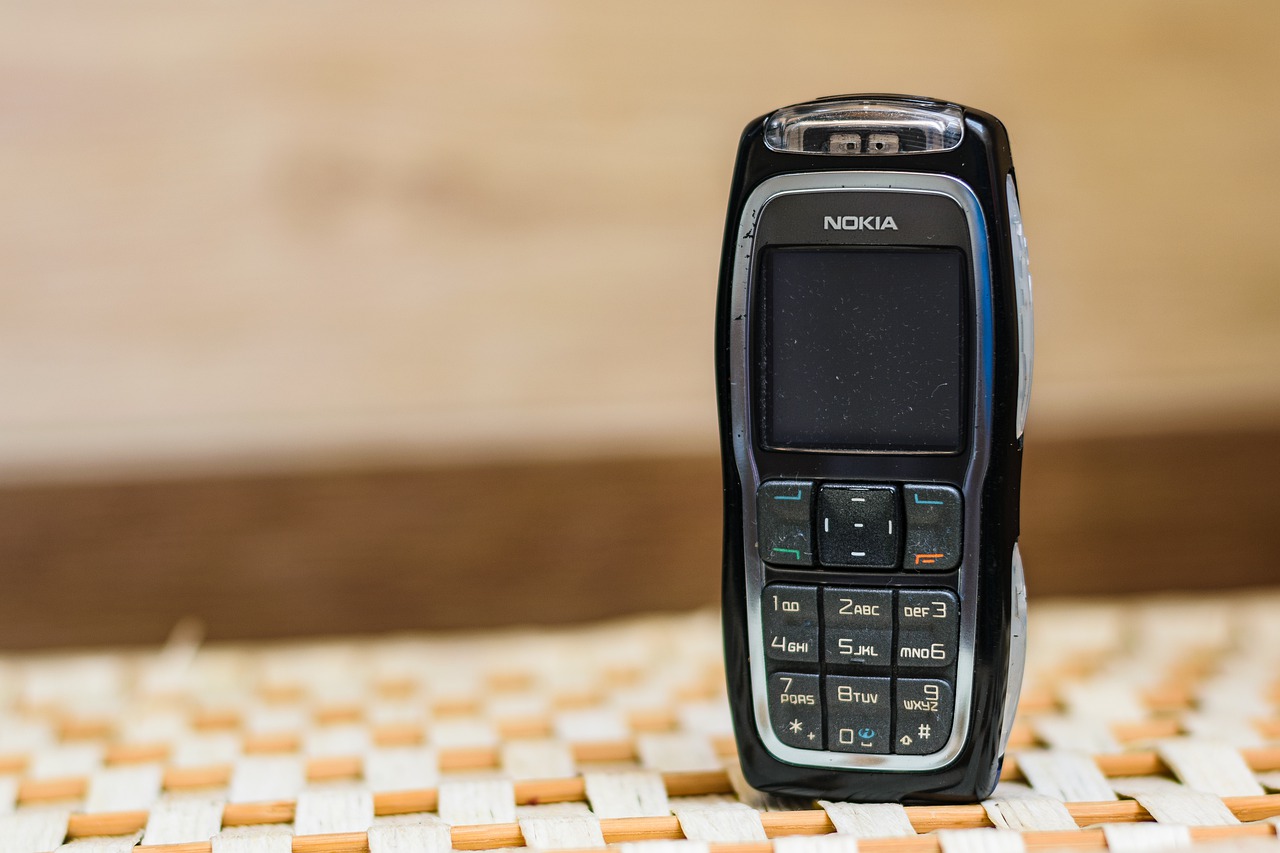
Device manufacture has its own material and energy costs, which is one reason keeping working equipment in use for longer can be valuable. Earlier research has tried to quantify the benefit of extending computer lifetimes. [4] The exact figure depends on the equipment and assumptions, but the principle is straightforward: repair, reuse and responsible recycling can reduce the pressure to replace hardware unnecessarily.
Where people have a meaningful choice over electricity supply, lower-carbon energy can also reduce the footprint of device use. The point is not to prescribe one perfect setup; it is to notice that digital sustainability includes both the information we keep and the equipment that keeps it available.

Changing Our Practices When Online
Online habits are most useful when they reduce genuine waste without turning ordinary digital life into a list of prohibitions. Choose the changes that make sense for the way you work and the services you use.
For SolidFish, the most relevant habits are about persistence and duplication: avoid unnecessary copies, clear data that no longer serves a purpose, and use expiry when information is fleeting by nature.
- Keep important records and memories deliberately rather than relying on accidental cloud clutter.
- Remove duplicate files, abandoned downloads and old media when they no longer serve a purpose.
- Unsubscribe from messages and services you no longer want instead of letting unwanted data accumulate indefinitely.
- Use shared links or purpose-built handoffs when they avoid needless duplicate attachments and still meet the privacy and security needs of the situation.
- Give fleeting links, notes and files an intentional lifetime where the sharing tool supports it.
- Keep devices useful for longer where practical, then reuse or recycle them responsibly.
- Treat sustainability claims from digital services with the same scrutiny as any other claim: look for evidence, scope and realistic limits.

Try a Digital Detox
A digital detox can be useful for attention, rest or simply changing pace, but sustainability does not require disappearing from the internet. The more durable habit is awareness: digital services are physical systems, and the data we keep has a lifecycle even when we cannot see the machines behind it.
Use technology for the things it does well. Keep what matters. Let fleeting data go when its purpose is finished. No single choice carries the whole burden, but thoughtful habits are still worth building. Every little helps.
Sources and further reading
- [UP] Statista: Internet users in the world 2020.
- [UP] Lean ICT: Towards digital sobriety.
- [UP] BBC Future: Why your internet habits are not as clean as you think.
- [UP] A report by Jim Hart: Carbon emission implications of ICT re-use at the University of Edinburgh.