
The world is hot for online video calls
Video calls moved from a specialist tool to an everyday part of work, education, appointments, events and personal life. The platforms have changed since this article was first written, but one feature has endured: the invitation link.
A meeting link is a particularly clear example of fleeting data. It can be important before and during a specific call, then lose most of its value once that moment has passed. Yet invitations are often left sitting indefinitely in inboxes, chat histories and calendars simply because permanence is the default.
Links are convenient because they reduce friction for participants and can avoid the need to exchange extra contact information merely to join a session. [1] But convenience also creates a security habit worth thinking about: a meeting link is still a web link, and recipients should have a chance to inspect where it leads before trusting it.
SolidFish sees those two characteristics together. Meeting links are often purpose-bound and fleeting, and they benefit from the same pause-before-the-click behaviour as any other shared destination.
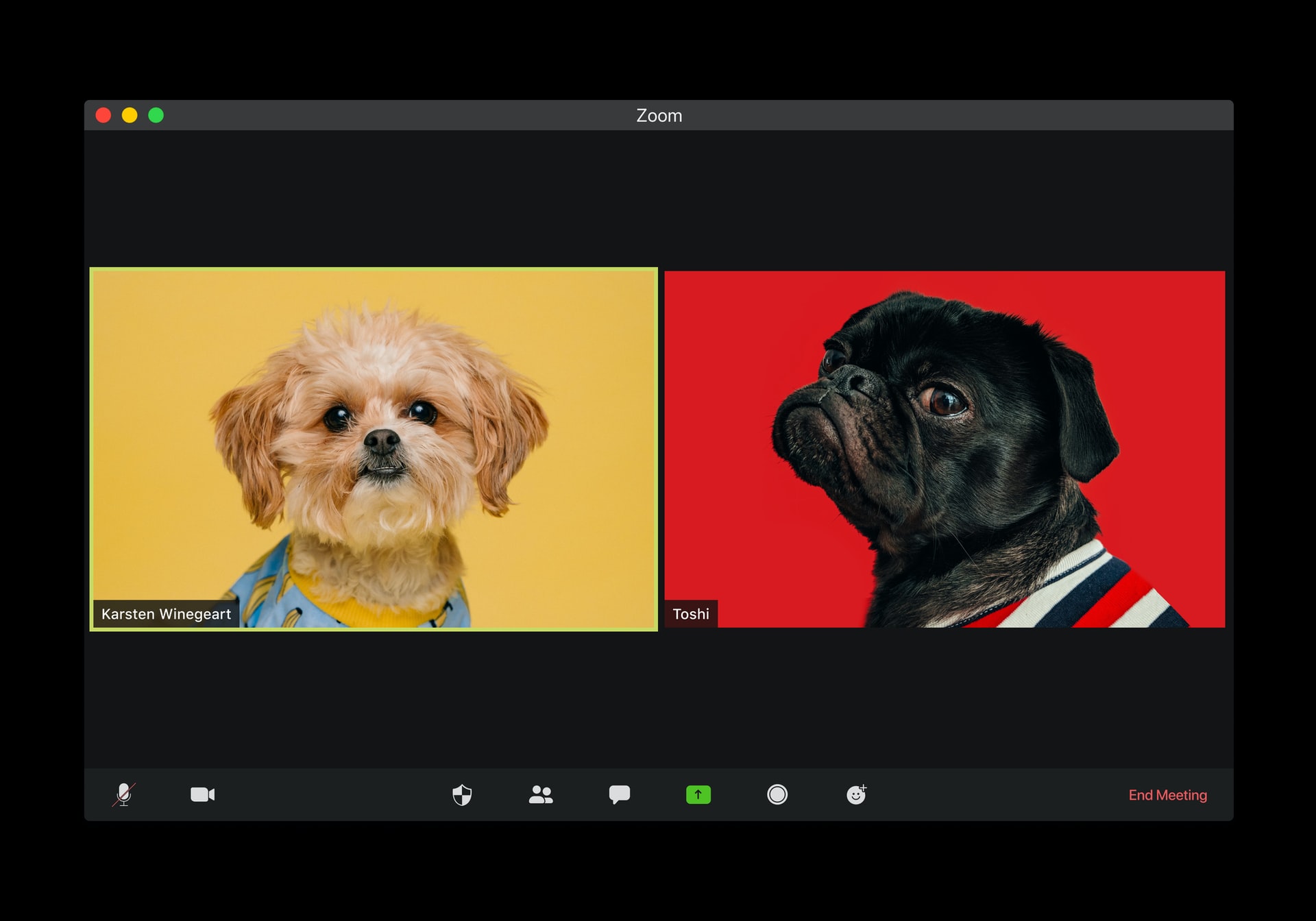

A bigger picture
Two SolidFish beliefs meet neatly here. First, links deserve inspection before trust: routine invitations can make us less cautious precisely because clicking them feels normal. The safer habit is to look before following.
Second, an invitation often has a natural end. Once the meeting is over, retaining another copy forever rarely adds value. That does not mean every old calendar entry or email is environmental waste; it means purpose-bound information is a good candidate for intentional expiry.
Older versions of this article used headline meeting-participant and email-carbon figures to argue the point. [2] [3] Those estimates are not needed to make the case. The simpler principle is stronger: a fleeting invitation can be shared in a way that gives it a lifetime and gives the recipient a moment to inspect it before clicking.

A better way
A Solid Code gives a meeting link another route from sender to participant. The sender can add the link to a share, choose its lifetime and pass on the short code verbally or through whatever channel suits the situation. No SolidFish profile is required for the standard flow.
Where a link preview is available, the recipient gets an extra opportunity to inspect the destination before choosing to visit it. That does not make a meeting link automatically safe; it makes the safer habit easier to practise.
And when the invitation has served its purpose, expiry can end the share without asking somebody to remember a cleanup task later. That combination — less identity baggage, a pause before the click and a lifetime that matches the moment — is exactly the kind of handoff SolidFish was built for.
Sources and further reading
- [UP] [Google Duo now lets you send Zoom-like invite links for group video calls:](https://www.theverge.com/2020/6/8/21284676/google-duo-invite-link-zoom-competitor-group- video-calling-new-feature) Making Duo more like Google Meet and Zoom.
- [UP] [Zoom admits it doesn’t have 300 million users, corrects misleading claims:](https://www.theverge.com/2020/4/30/21242421/zoom-300-million-users-incorrect-meeting- participants-statement) Zoom quietly updated a blog post earlier this month.
- [UP] The Email CO2 Calculator: The hidden cost of your emails on the planet.