
A Digital Plantation
The title is deliberately provocative. Digital infrastructure does not replace forests in one simple, universal equation, but data-centre growth still competes for real land, power, water, materials and local infrastructure. That physical footprint deserves the same scrutiny we give other large industrial systems.
The internet has grown from a specialist network into everyday infrastructure for billions of people. [1] [2] [3] [4] [5] That growth has brought enormous social and economic value, while also increasing demand for computing and storage capacity.
SolidFish is not anti-cloud and it is not anti-growth. The point is simpler: when digital services become essential, the resources behind them matter more, not less. Understanding those resources helps us distinguish valuable persistence from data that has become fleeting and can responsibly be allowed to go.
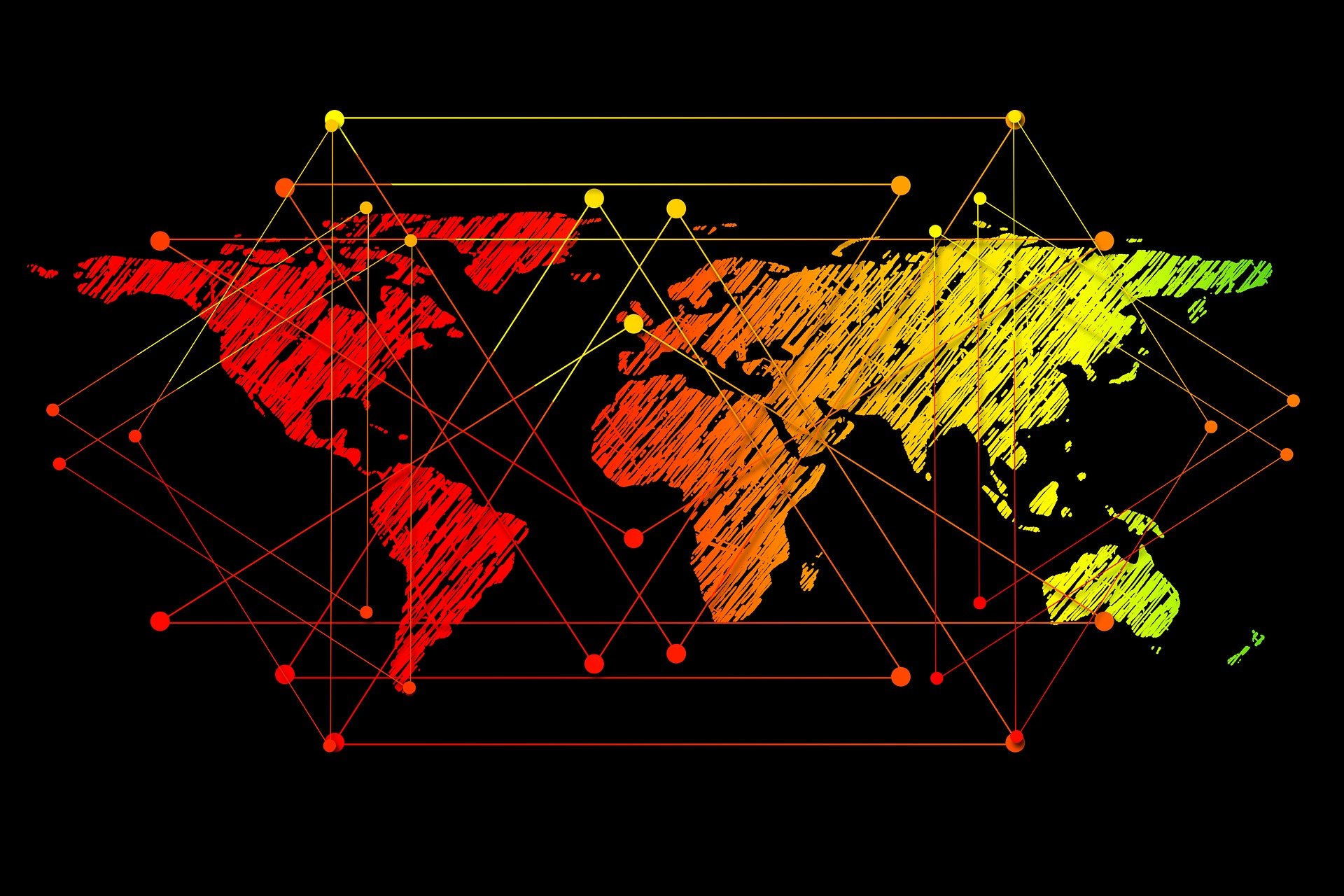
Action and reaction
Growing digital demand has encouraged continued investment in computing, networking and storage infrastructure. [6] The examples cited when this article was first written show how large individual campuses can become, but rankings, square-foot totals and construction plans date quickly and should be read as historical snapshots rather than a current league table. [7] [8] [9]
What remains relevant is the local resource question. Large facilities need sites, grid connections, equipment and cooling, and some projects have prompted debate about habitat, land use and water demand. [10] [11] [12] Those effects differ substantially by region and facility, so they should be examined case by case rather than treated as one universal data-centre footprint.
Operators sometimes choose colder regions or other locations that can improve operating efficiency. Other projects are built near energy, network or market infrastructure. [13] [14] Every choice carries trade-offs. The important habit is to keep the physical layer visible when we talk about apparently weightless digital growth.
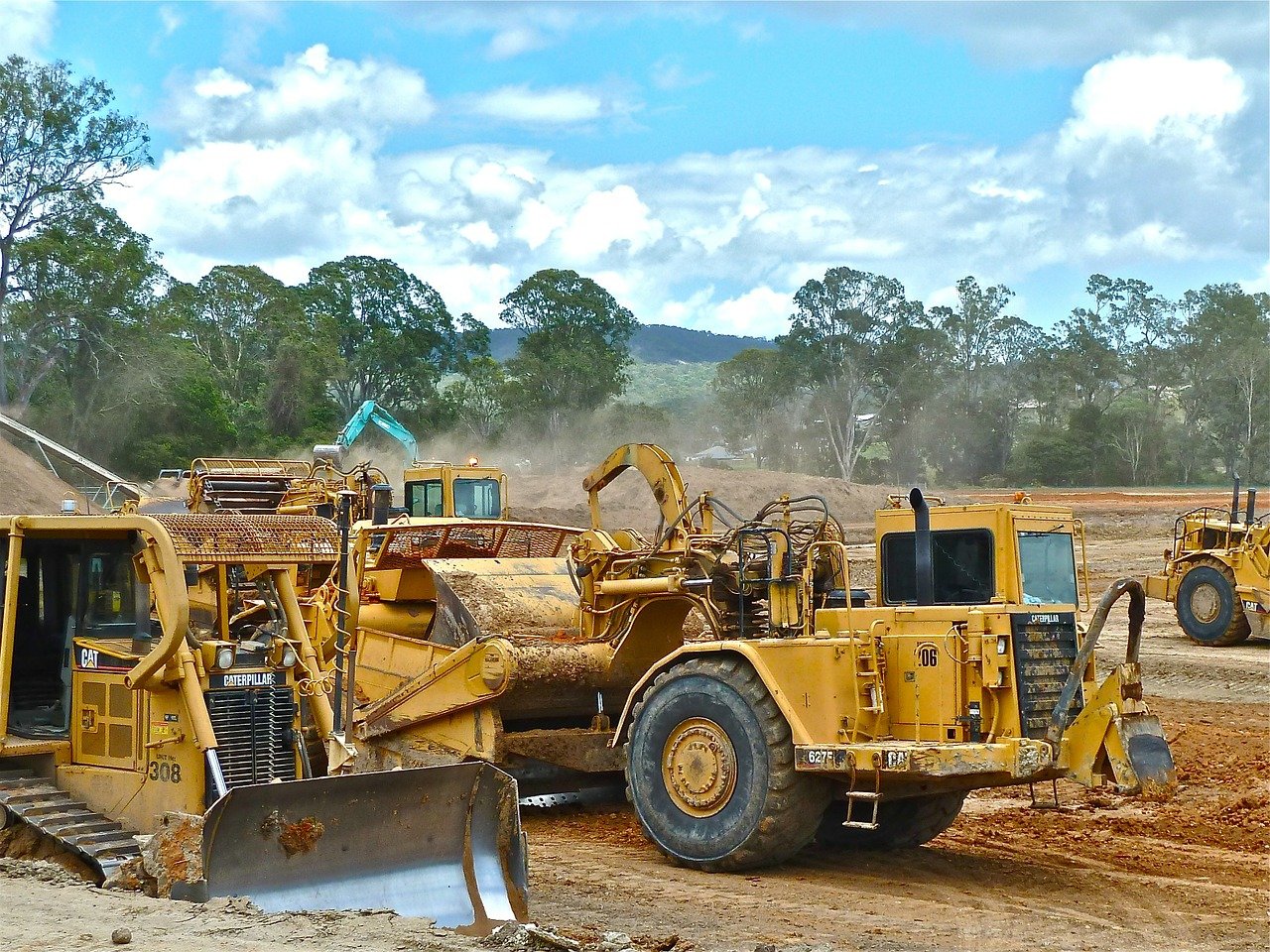
Are there more questions than answers
Cloud computing brings clear benefits, but communities and regulators are also entitled to ask how major infrastructure projects use local resources. Reporting and disclosure practices vary, and historical debates about water, energy and land use show why transparent information matters. [12] [15] [16]
The aim is not to cast every data centre as environmental damage or every cloud provider as an adversary. It is to resist the idea that digital infrastructure is consequence-free simply because most users never see it.
SolidFish takes that concern and narrows it to something the product can genuinely influence: the lifetime of information shared through the service. Fleeting data can expire instead of accumulating by default, while important information should still be retained where it belongs.
That is a modest contribution, not a promise to solve infrastructure growth. Cleaner technology, responsible siting, transparent resource use and better policy matter too. SolidFish adds one more habit to that picture: leave less unnecessary data behind. Every little helps.
Sources and further reading
- [UP] Why data centres are the new frontier in the fight against climate change: As we continue to generate more data than ever before, how can we stop the data centres that house this information from destroying the planet?
- [UP] Digitalisation, energy and data demand: The impact of Internet traffic on overall and peak electricity consumption.
- [UP] Measuring digital development: Facts and figures 2019.
- [UP] Cisco Annual Internet Report: A 2018–2023 White Paper.
- [UP] Internet Growth Statistics 1995 to 2019: Today's road to e-Commerce and Global Trade Internet Technology Reports.
- [UP] Internet Users and Usage: A tremendous growth.
- [UP] Facebook Accelerates its Data Center Expansion: Facebook is kicking its infrastructure growth into a whole new gear.
- [UP] Top 10 Largest Data Centers in the World: Data center space has been growing at an incredible rate.
- [UP] The World's Data Center Infrastructure Industry: A 2020 Study; Aging IT Infrastructure Unable to Store Current Data Volume Drives Growth.
- [UP] Global capital shows commitment to booming data center market: Data centers are high on the list for investors.
- [UP] Nevada's Plant and animal life: Despite aridity and rugged terrain, Nevada shows considerable variety in vegetation.
- [UP] Secret Cost of Google's Data Centers: Billions of Gallons of Water Consumed.
- [UP] Iceland’s data centers are booming: MIT Technology Review; Here's why that's a problem.
- [UP] Russian billionaire to build a massive data center in Siberia: Potentially one of the largest facilities of its kind in Asia.
- [UP] Catching the Cloud and Pinning It Down: the Social and Environmental Impacts of Data Centers.
- [UP] Energy Hogs: Can World’s Huge Data Centers Be Made More Efficient: The gigantic data centers that power the internet consume vast amounts of electricity and emit as much CO2 as the airline industry.
- [UP] The camel that broke the Internet's back: A closer look at the impact of the ever expanding data-centres.